


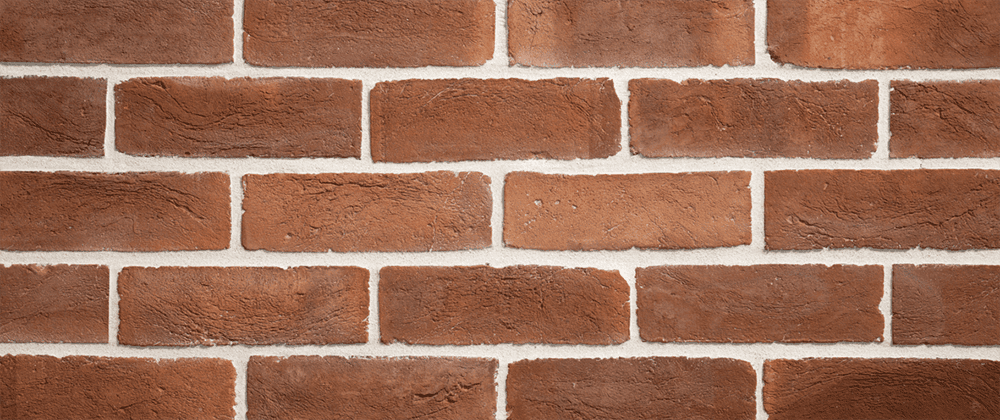
Antique White


- Linear Roman Bricks
- Whites & Creams
- Linear / Roman Bricks
- Standard Bricks
- Feature Walls (Exterior)
- Feature Walls (Interior)
- New Build & Construction
Ivory and cream white tones combine with a parchment-like surface finish and subtly crumpled edges to create a brick of subtle texture and understated elegance. Traditional tool marks from old-school extrusion remain visible across the face, celebrating the craftsmanship of an earlier manufacturing era and giving each brick a distinctive, authentic character. The slim 50mm low-profile format delivers clean, contemporary lines. Gentle tonal variation, historic tooling marks and handcrafted detailing ensure every wall has a subtle depth and authenticity, making these bricks equally suited to modern architectural homes, coastal retreats and sophisticated renovations.
-
Items per pallet: 720 bricks
-
Approx size: 230mm x 50mm x 110mm
Note: +/- 5mm 1s standard deviation is to be expected for handmade bricks.
SAMPLE PRICE
$2.75
ea.Samples may be sent as either a brick slip or a full sized brick depending on availability.
Brick Information
Brick Name(s)
Antique Whites
Brick Type
Through colour clay extruded brick.
Specification
Manufactured to AS/NZS 4455 and BS EN 771-1:2011
Size
- 50mm x 230mm x 110mm
Dimensional Tolerance
DPB3 size classification, +/- 5mm 1 sigma standard deviation from the nominal size (n=20) is to be expected.
Compressive Strength
> 10 MPa
Soluble Salt Classification
S2
Bulk Density
1500 kg/m
Packaging
Shrink wrapped on wooden pallets in packs of:
- 720
Pack Size
L x W x H 1100 x 1100 x 1100mm Approx.
Pack Weight
1.5 to 1.6 Tonnes Approx.
Usage
- Always mix from several packs.
- White mortar highly encouraged with flush joints.
Special Considerations for Light/White Coloured Bricks
Vanadium Staining:
The clays used to make light coloured bricks (e.g. ivory bricks, off white bricks, cream bricks, grey bricks) often contain Vanadium. On occasion yellow/green/red-brown staining may appear on light coloured clay bricks. This is known as vanadium staining. This staining is a natural by-product of clay products and is not harmful. Typically the stain will appear if excessive acid is used in the cleaning process, if the mortar mix is excessively wet or if the bricks get excessively wet (during construction and/or storage).
Ways to limit Vanadium Efflorescence
- Using a stiffer mortar mix;
- Keeping brickwork dry during construction;
Over time Vanadium efflorescence will disappear through natural means if exposed to the elements.
Stain removal can be facilitated by using a solution of oxalic acid and water and must be followed by a neutralising wash, such as a sodium bicarbonate solution, to avoid serious secondary staining down the track. It is important to always follow the safety instructions and warnings on any labels of chemicals used. Chemical cleaning approaches may not remove all the stains, only time and exposure will remove all stain remnants.
It is important to understand and accept that vanadium staining is a natural process of clay products and is most obvious in light coloured bricks. Methods can be used to help minimise vanadium staining but if you are concerned about this process we would advise against the use of light coloured bricks.
Iron Staining:
The most typical source of iron staining is from iron liberated from the sand used in the mortar mix, this liberated iron is absorbed by the brick and evaporates at the brick surface leaving behind a pink to reddish discolouration. Oxalic acid and water can be used to remove some of this iron staining.
General Staining;
White bricks are, by their nature, are more susceptible to showing dirt, stains and environmental marking than darker coloured bricks. Choosing white bricks means accepting this characteristic as a normal part of the product’s appearance over time.
Staining can result from a range of natural and environmental sources, including oils and tannins from overhanging trees, airborne pollen, dust, general urban pollution, stormwater runoff, and other contaminants that are present in the surrounding environment. These factors affect all exterior building materials to some degree, however they are naturally more visible on lighter coloured surfaces. Regular cleaning and maintenance will help preserve the appearance of white brickwork, but some level of visible weathering should be expected throughout the life of the building.
While sealing white/light coloured brickwork is not a requirement, it is a sensible option that should be considered, particularly in areas exposed to heavy vegetation, high levels of airborne contaminants, or where maintaining a consistently clean appearance is a priority. A quality breathable masonry sealer can help reduce the absorption of staining agents and make future cleaning easier. Sealing will not prevent all staining, nor does it eliminate the need for maintenance, but it can provide an additional level of protection and simplify ongoing care.
Square Edge Bricks:
Highly uniform, square-edged bricks can be more susceptible to edge chipping, which is an inherent characteristic of this style of brick rather than a product defect. Some degree of chipping should therefore be expected and accepted when selecting a brick with a crisp, precise profile. The use of flush mortar joints is recommended, as this helps soften the visual impact of edge chips and creates a more cohesive finished appearance.
Durability
General Purpose Building Brick (AS/NZS 4455) F2 BS EN771-1:2011
-
-
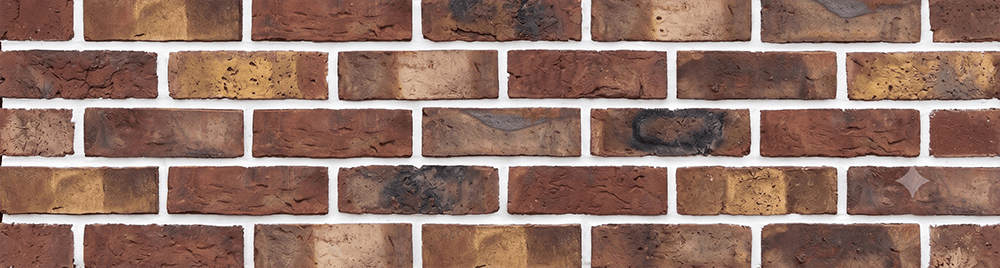
Federation Weathered Red
View details > -
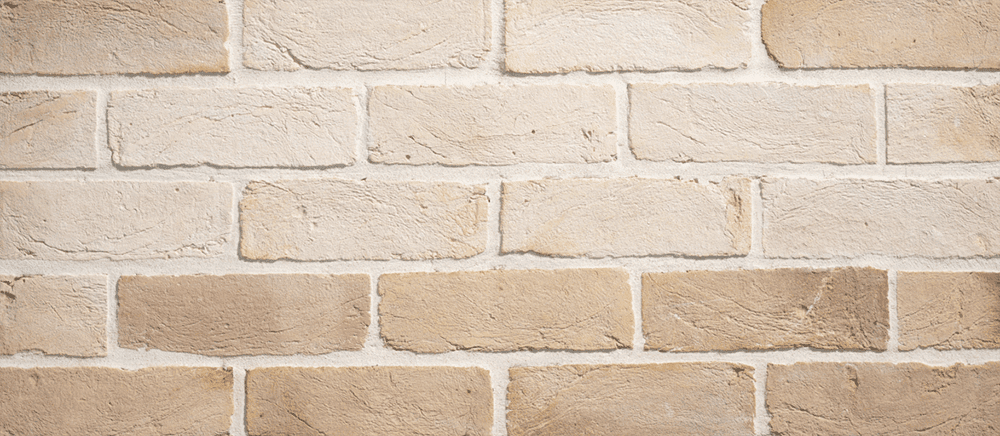
Sandstruck Hamptons
View details > -
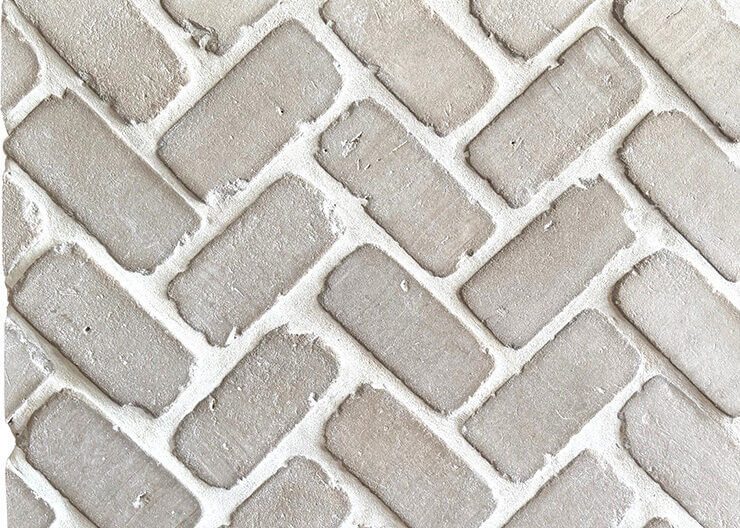
Tumbled Jerusalem White Paving
View details > -
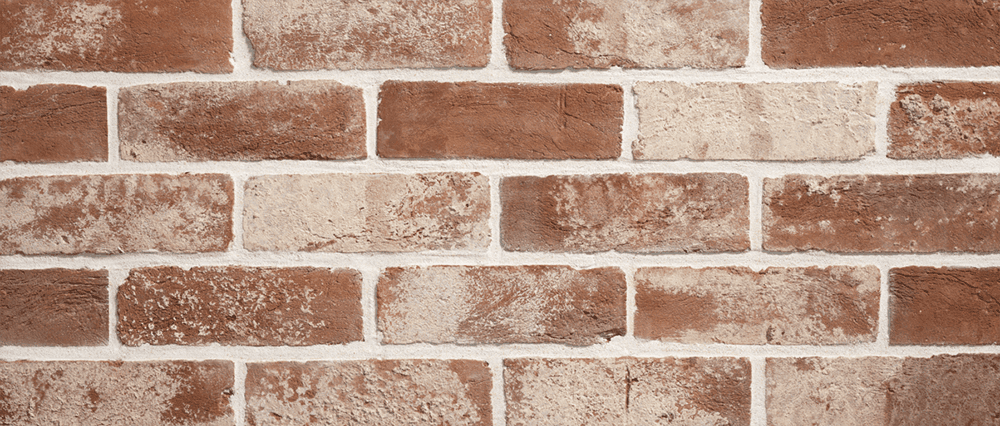
Reclamation Heritage Reds
View details > -
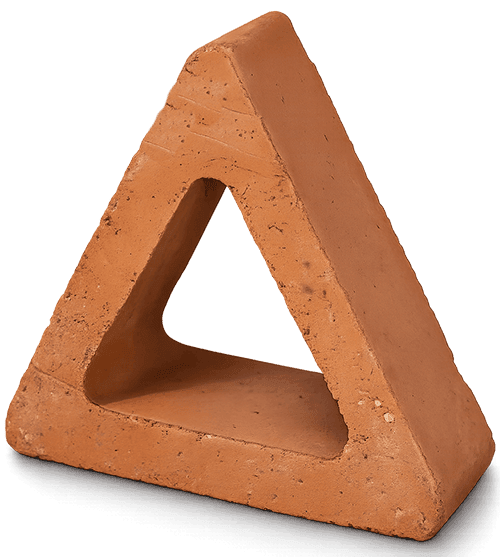
Triangular Terracotta Breeze Block
View details > -
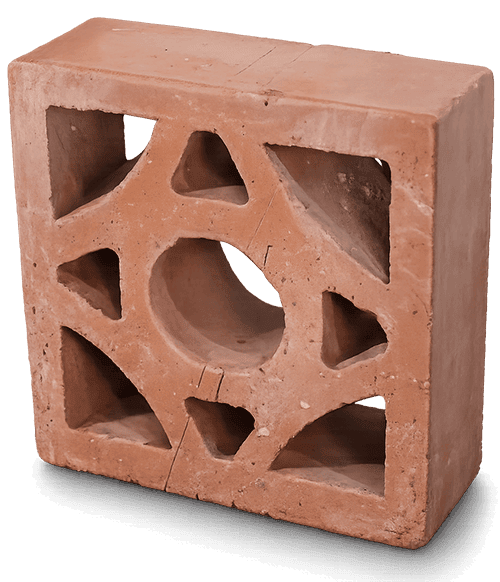
Square Terracotta Breeze Block
View details > -
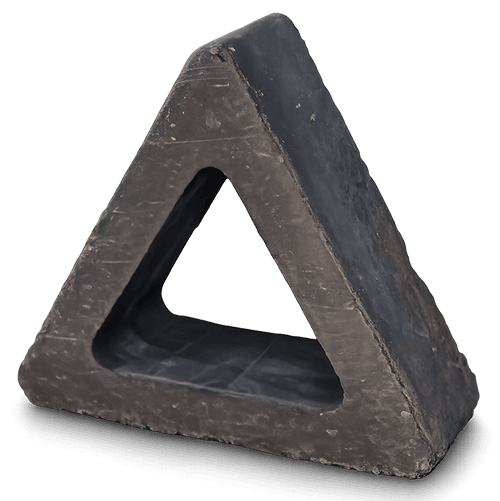
Triangular Charcoal Breeze Block
View details >

